Winter weddings ask a little more of you than a June Saturday does. Light disappears by late afternoon, guests arrive with wet boots and frozen fingers, and one icy sidewalk can change how the whole day feels. The season gives something back, though: quieter venues, real date flexibility, and a natural reason to gather people close together. Plan for the cold and the dark, and the rest becomes a pleasure.
Start With the Real Weather of Your Date and Venue
Before anything else, look up two things: the sunset time for your date and the typical weather for your area that week. Sunset in December and January lands in the mid-afternoon in many northern places, which makes your ceremony time a lighting decision. If you want outdoor photos, you need to be outside well before that.
Then walk the venue the way a winter guest would. Where do people park, and who clears the lot if it snows? Where do they step out of the cold first, and is there room for sixty wet coats? Ask how well the heat holds up when doors open all night, whether there's a drafty corridor between rooms, and whether any path, step, or sloped walkway could ice over. A venue with a covered entry and a real coat room is worth more in February than a prettier view with nowhere to put a parka.
Build a Backup Plan Nobody Has to See
Two plans beat one. Plan A is your outdoor ceremony or courtyard photos. Plan B is an indoor ceremony space, confirmed in writing, with enough chairs for everyone. Plan C covers photos: a covered porch, a stairwell with good light, a lobby with tall windows, or a short list of indoor spots you've already scouted with your photographer.
Tents and patio heaters sound simple and rarely are. They need power, often a generator, flooring, and permission, and heaters warm mainly what's directly in front of them. If your plan depends on a tent, settle the details months ahead and confirm who shovels the approach.
Read vendor contracts with weather in mind. Delivery windows, cancellation terms, and rescheduling language matter far more in winter than in summer. If travel or a venue problem would be a real financial hit, wedding insurance is worth a conversation — talk to an insurance professional about what is and isn't covered in your situation.
Keep Guests Warm Without Wrecking the Photos
Warm guests stay longer and dance more. Cold guests leave early and remember the parking lot.
- A real coat check. Racks, hangers, numbered tags, and one person assigned to run it.
- A basket of blankets near the ceremony entrance and another by the outdoor photo spot.
- Hand warmers in a bowl at the door for the walk between buildings.
- A shoe swap station. Boots for the arrival, heels under the chair, a bench and a boot tray to make it feel intentional.
- Warm drinks at arrival. Mulled cider, hot cocoa, or spiced tea in the first ten minutes.
- Clear, lit paths. Salt or sand, mats at every doorway, lanterns or string lights along walkways.
- Seating near the heat for older relatives, plus a route to the restrooms that doesn't go outside.
Cozy Decor That Belongs to the Season
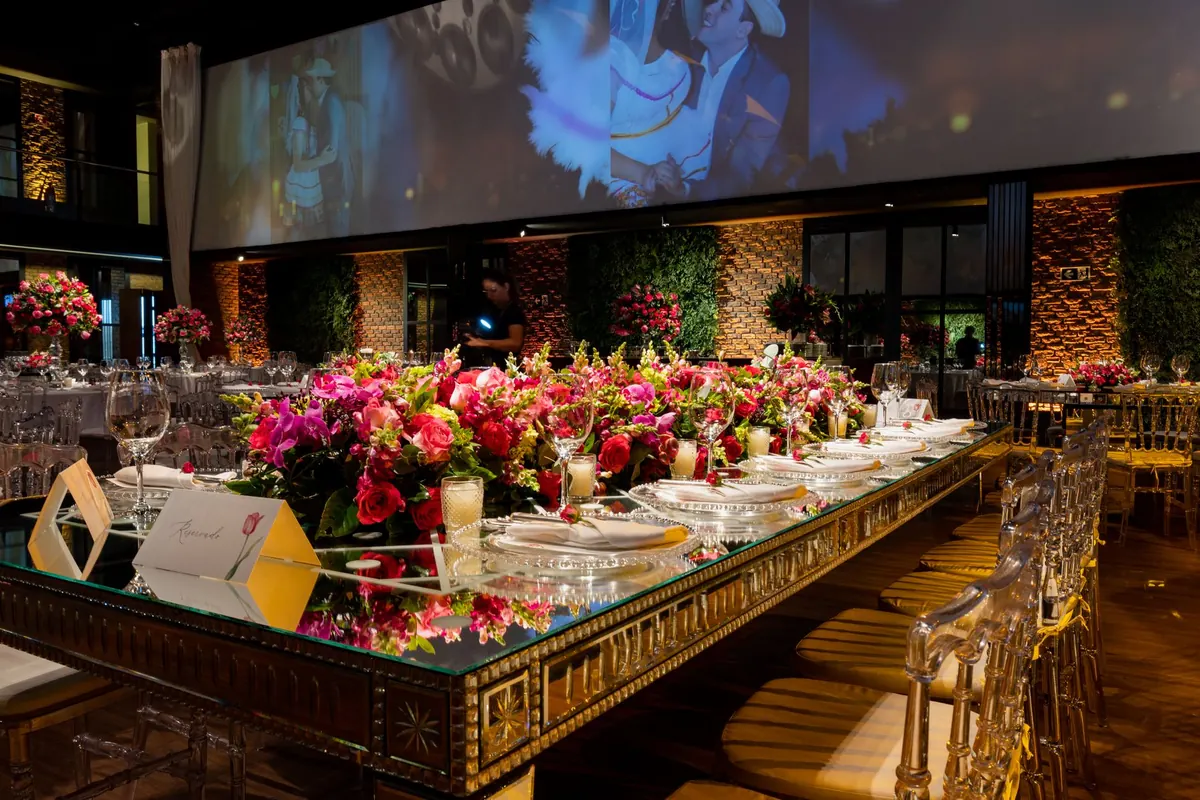
Winter decor works best when it leans on texture and light rather than color alone. Think wool, velvet, tartan, brass, and dark wood; greenery like cedar, pine, and eucalyptus; cranberries and pomegranates in low bowls. Candles carry the mood, but check the venue's rules on open flames — many allow them only in glass hurricanes, and some require flameless. Clusters of pillar candles down a long table look richer than one elaborate centerpiece.
One trap: your venue may already have holiday decorations up. Ask what will still be standing on your date and when it comes down. If their garland and yours are fighting, you'll see it in every photo.
Lighting is the other half. Warm bulbs read as cozy; cool white reads as a cafeteria. Ask the venue and your lighting vendor to keep reception lighting warm, and use uplights on the walls instead of bright overheads.
Food, Drink, and a Timeline Built for Daylight
Cold bodies want warm food. Passed appetizers like mini grilled cheese, soup shooters, and skewers land better than a cold crudité table. Keep a hot drink station open all night, and ask your caterer how they'll hold temperatures through a long reception. Add water and a decaf coffee option near the dance floor; guests drink differently when they've been outside.
Move your timeline earlier than you think you need to. A 3:30 ceremony in December is a ceremony at dusk. Many winter couples do a first look and family photos before the ceremony, while the light is good, then let the cocktail hour carry the dark hours indoors. If there's a gap between ceremony and reception, give guests somewhere warm to go — a lobby with a bar, or a lounge with seating and snacks. Never a parking lot.
Two Weeks Out: A Short Winter Checklist
- Confirm sunset time and shift any outdoor photo plans to match it.
- Reconfirm vendor arrival windows and weather contingencies in writing.
- Assign one person — not you — to watch the forecast and the walkways on the day.
- Pack a day-of kit: tissues, lip balm, blotting papers, spare tights, a stain pen, and flats.
- Send guests a short note with parking details, the coat check, and a number to call if they get stuck.
Winter weddings aren't harder than summer ones. They just reward planning more. Get the logistics quiet and invisible, and the season does the rest: low light, close tables, and the particular comfort of walking into a warm room full of people who traveled a long way to see you.
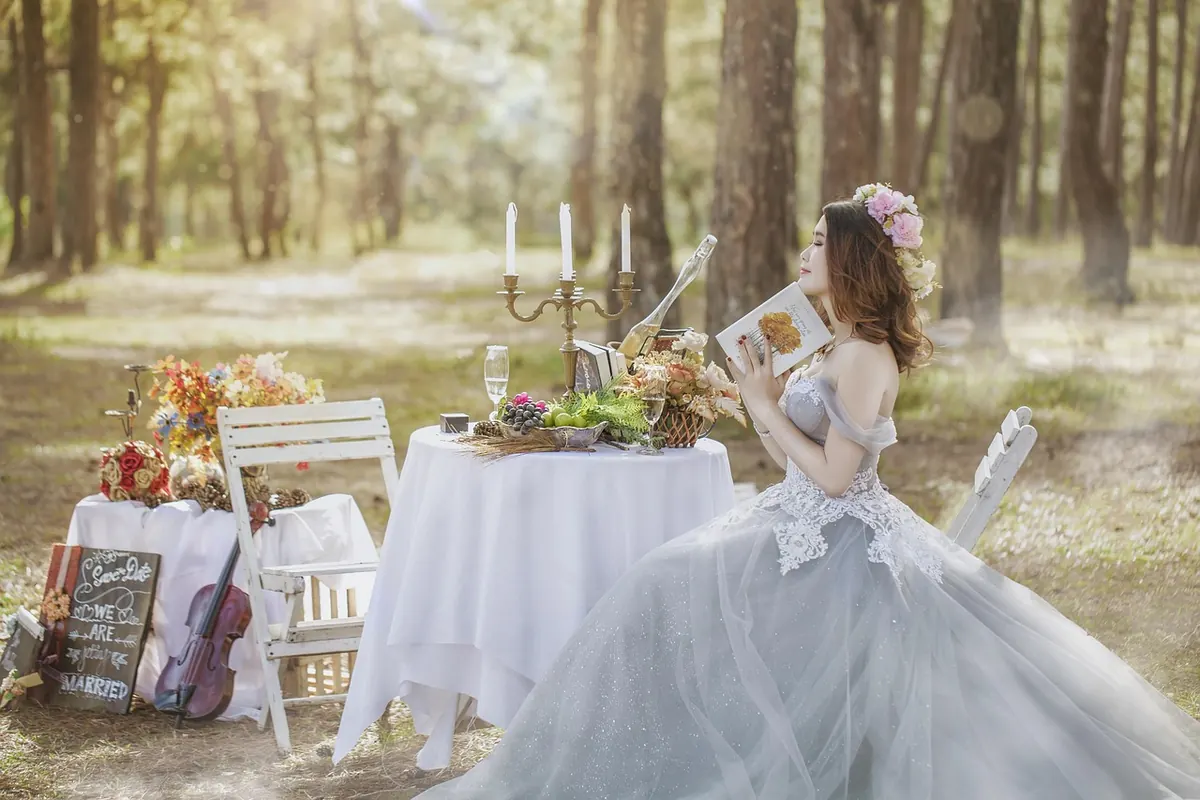
Photo: huynhthientu / Pixabay