A cheap wedding and a wedding that looks cheap are two different things. The first is a set of decisions. The second is usually the result of money going to the wrong places—plenty spent on printed menus, not nearly enough on the food, a rented photo booth instead of a sound system people can actually hear.
Guests rarely remember the charger plates. They remember whether the room felt warm, whether the music worked, whether they were fed before nine o'clock, and whether you two looked like you were having a good time. Those four things cost money, but far less than the wedding industry suggests.
Here are 25 ways to trim the budget across decor, food, attire, and entertainment—without making the day feel like a compromise.
Six Decor Swaps That Read as Intentional
Decor is where budgets leak quietly: a little here, a little there, until you've spent a catering deposit on candles. Pick two things you genuinely care about and let the rest be simple.
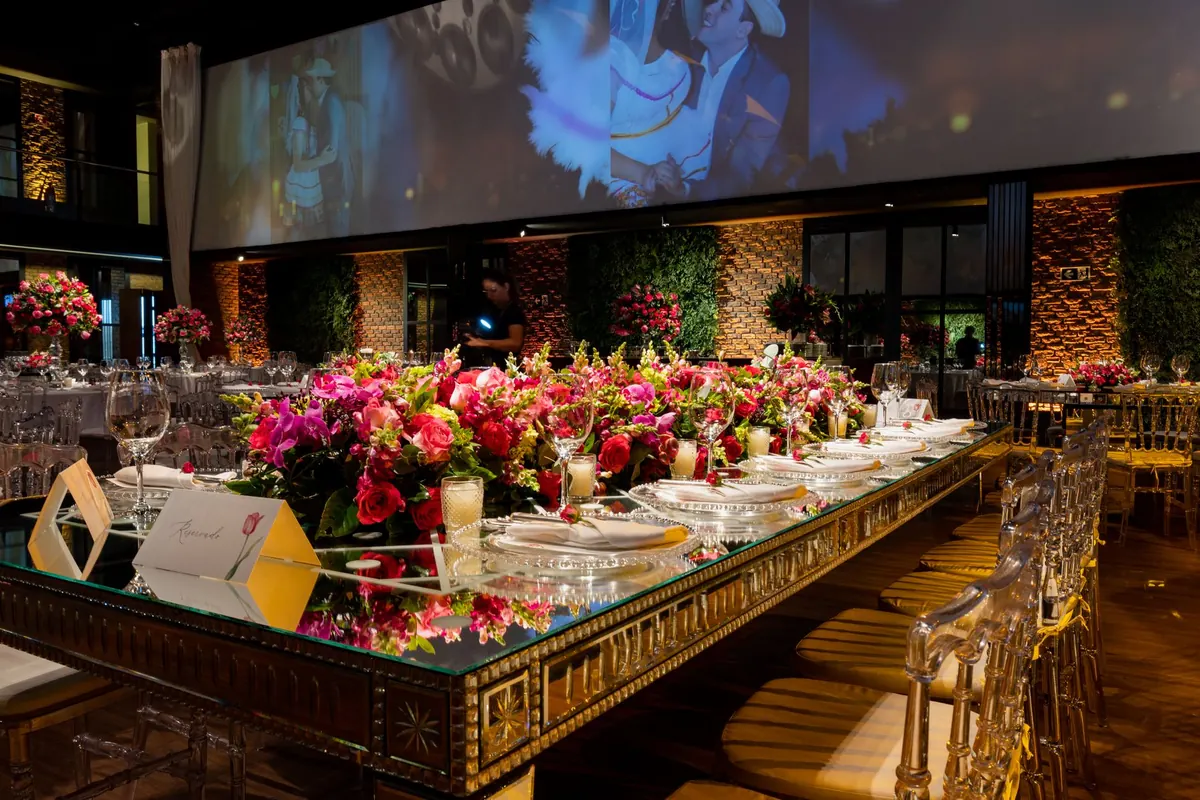
- Spend on light, not flowers. Dim the overheads, rent or buy a few uplights, and use unscented pillar candles in glass hurricanes down the center of the tables. A dark room with good light looks expensive. A bright room with average flowers does not.
- Buy flowers by the bucket. A supermarket or wholesale florist, one or two flower types in season, plus a lot of greenery, costs a fraction of designed arrangements. Assemble them the day before with a few friends and assign one person to top up the water.
- Move ceremony flowers to the reception. Ask your florist to design pieces that can be lifted and reused, then name someone responsible for actually moving them during cocktail hour.
- Skip chair covers and sashes. Wrapping an ugly chair rarely makes it look better than a plain chair does. If the venue's seating is truly rough, price plain rentals before you price fabric.
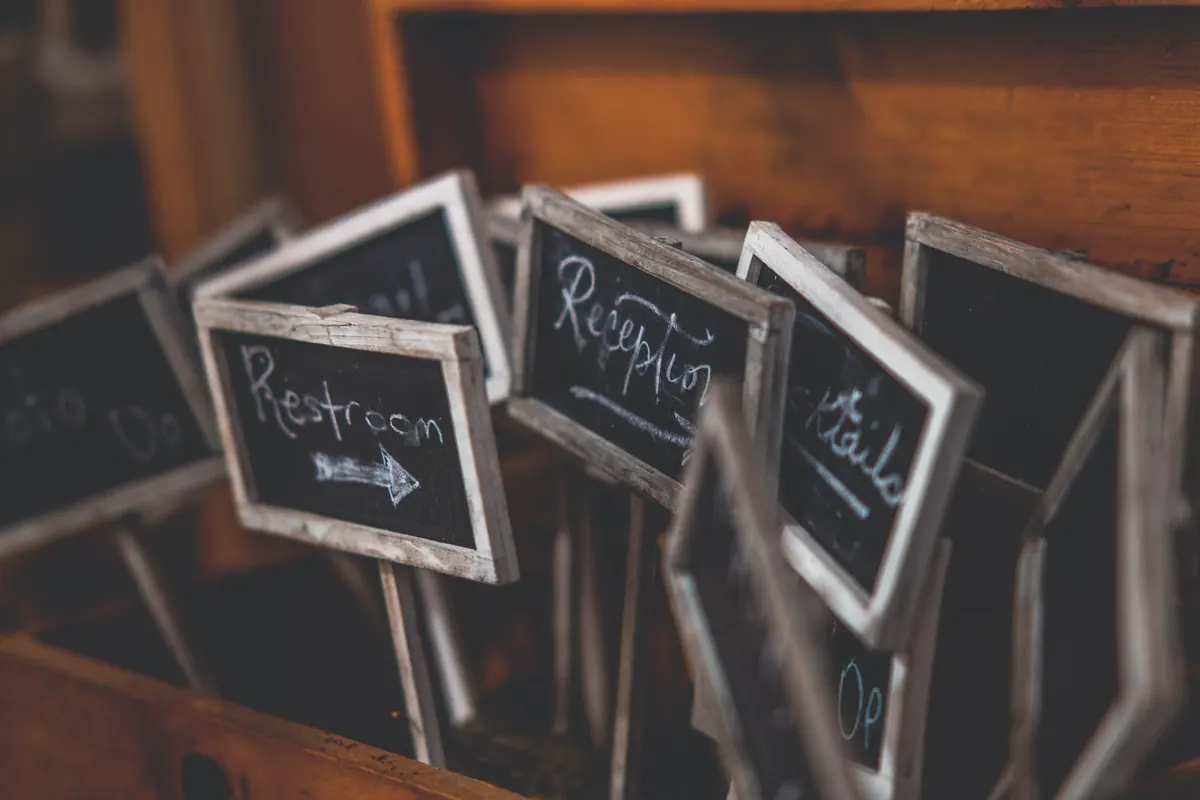
- Replace paper with one good sign. A single welcome sign and one seating chart can do the work of programs, menus, and place cards. If you love stationery, choose one piece and do it well.
- Cut the extras nobody misses. Favors, a guest book, a sparkler exit, a second dessert table. Keep the two you'd regret losing and drop the rest.
Feed People Well for Less
Food is the line item guests judge, so protect it. The trick is changing the shape of the meal, not the quality of it.
- Move the meal earlier. A brunch or lunch menu costs less than dinner, and guests drink less in daylight. Pancakes at noon can feel more generous than a plated chicken breast at eight.
- Choose a format that doesn't need a brigade. Taco bars, barbecue, pasta stations, wood-fired pizza, and a generous spread of heavy hors d'oeuvres all feed a crowd without a formal service team. Confirm what your venue allows and what its kitchen fee is.
- Trim the guest list. This is the biggest lever you have. Every additional guest repeats the cost of a meal, a chair, a place setting, an invitation, and a slice of cake. Cutting twenty people can fund better food for the ones who come.
- Simplify the bar. Beer, wine, and one signature cocktail covers most crowds. A consumption bar (paid by what's poured) often beats an open bar, and drink tickets keep things predictable. Check licensing and bartender requirements with your venue before you plan anything self-serve.
- Keep the cake small, expand the dessert. A modest display cake for photos plus sheet cake cut in the back, or pies, cookies, or an ice cream cart instead.
- Read the fee list. Service charges, staffing minimums, cake-cutting fees, corkage, and overtime can add up fast. Ask for every charge in writing before you sign. If the contract feels complicated and the money is significant, it's reasonable to have an adviser or attorney look it over.
Attire and Beauty: Save Where Nobody Looks
- Shop sample sales, consignment, and off-the-rack. Bridesmaid lines in ivory, department store evening wear, and last-season samples often cost far less than custom.
- Budget alterations as a real line item. It's the cost couples forget, and it can rival the dress.
- Rent or borrow what you'll wear once. Suits, tuxedos, veils, jewelry, and shoes are all fair game. Something borrowed isn't a compromise; it's a story.
- Shrink the wedding party. Fewer people to dress means fewer bouquets, fewer gifts, and fewer fittings.
- Wear shoes you can stand in. A pair you already own and love will serve you better than new heels you'll kick off by the first dance.
Entertainment That Actually Fills the Floor
Music is not where you want to gamble. A great DJ at a modest venue beats a mediocre band in a ballroom.
- Book for fewer hours. Hire your DJ or band for the reception only, and use a curated playlist through a decent speaker for cocktail hour. Just make sure a specific person is in charge of pressing play.
- Hire talent early in their career. College ensembles, a solo guitarist, or a local jazz trio can handle a ceremony or dinner beautifully. Ask for a short recording and a reference before you book.
- Drop the add-ons. Photo booths, cigar bars, and late-night snacks only earn their cost if your crowd actually stays for them.
- Let the venue entertain. A garden, a rooftop, a brewery, or a hall with real character keeps people happy without a single rented prop.
The Four Levers That Move the Number Most
- Change the day or time. Friday, Sunday, and daytime weddings are routinely priced lower than Saturday evenings. Off-peak months help too.
- Pick a venue with furniture and charm built in. Community halls, parks, restaurants, museums, and libraries often include tables, chairs, and a setting you don't have to decorate.
- Ask what's flexible. Instead of requesting a discount, ask which packages can be adjusted, whether off-season dates are priced differently, or whether extra hours or rentals can be bundled in.
- Track everything in one spreadsheet. Columns for estimate, deposit due, final payment, and priority. Hold back a small buffer for surprises, and know every cancellation term before you pay.
Make the Budget a Plan, Not a Punishment
Write down the three things you'd be sad to lose—good food, a packed dance floor, photographs you love—and fund those first. Everything else becomes negotiable, which makes saying no much easier.
Build in a buffer, keep receipts, and read the fine print on deposits and cancellations. If you're paying for the wedding with savings, a loan, or family help, a short conversation with a financial adviser before you sign contracts is worth the hour. Then stop optimizing. A wedding where the hosts are relaxed and genuinely glad to see everyone never looks cheap.
Photo: Craig Adderley / Pexels