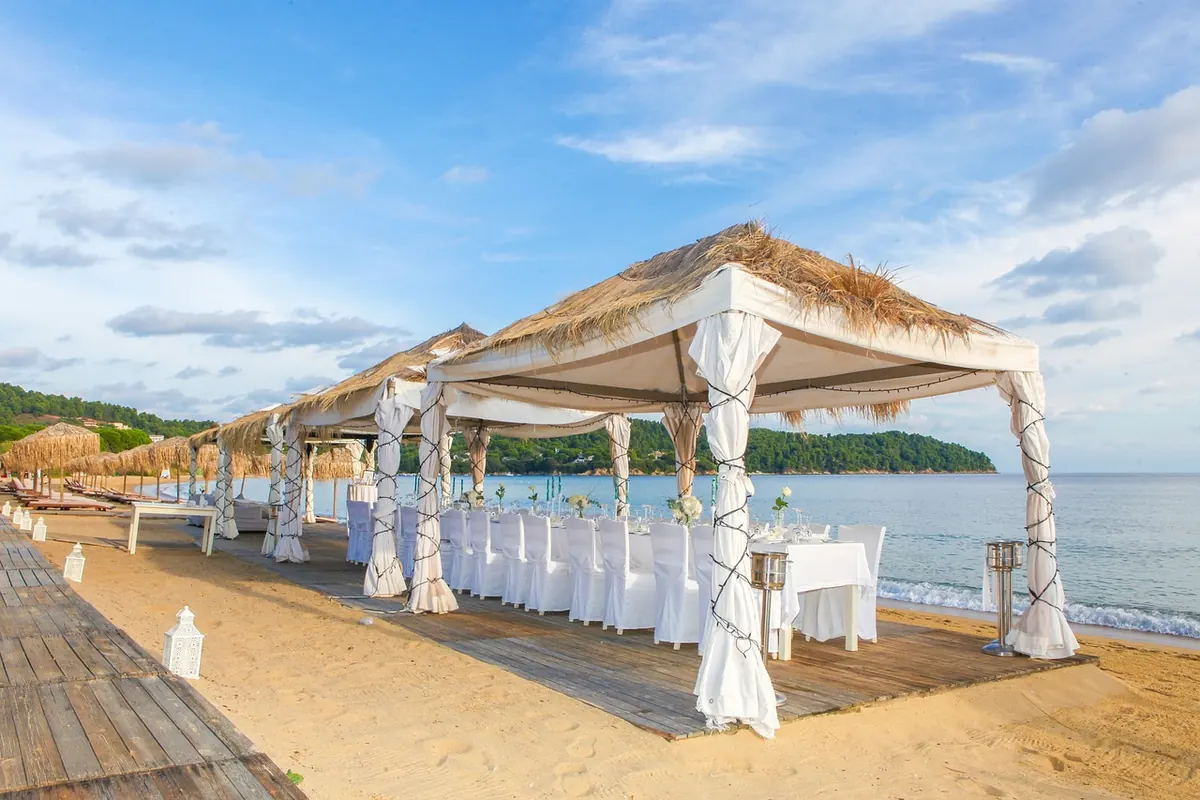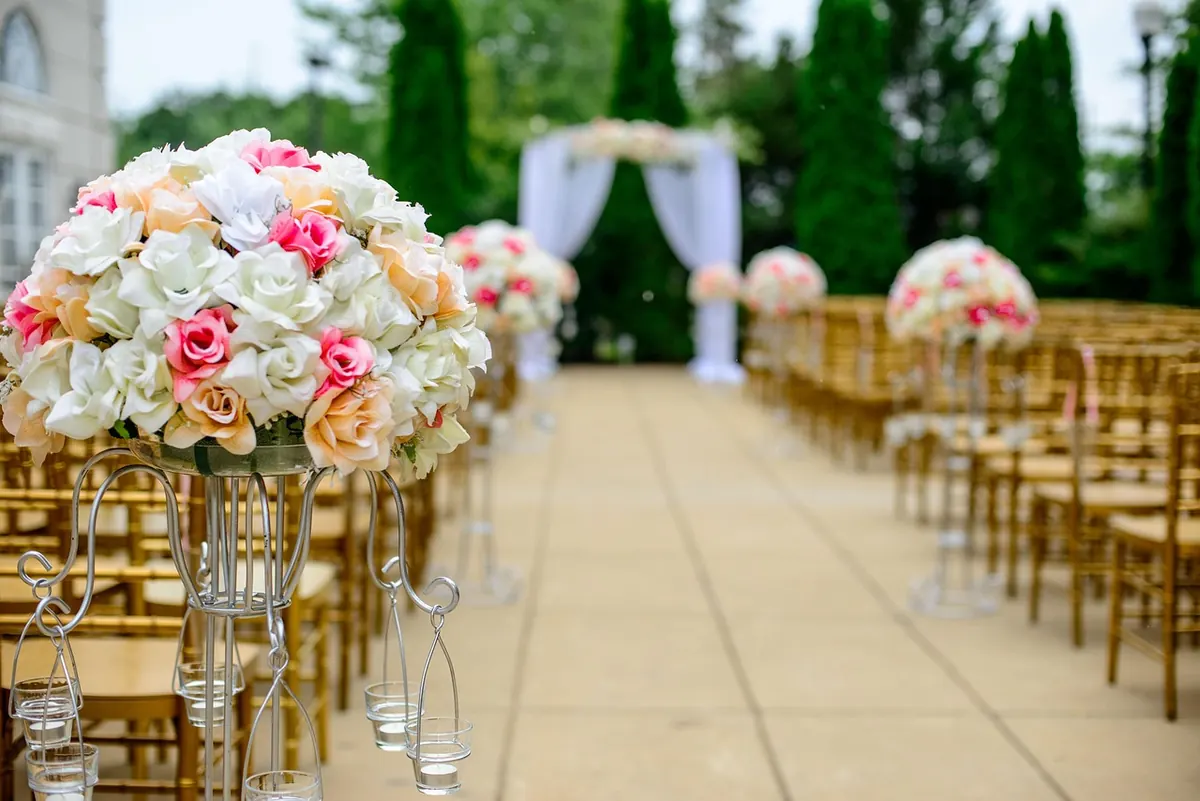
Picture the three weddings. In the barn: mismatched chairs, string lights, the smell of hay, a fiddle somewhere near the dessert table. In the ballroom: chandeliers, a dance floor that gleams, someone's grandmother outlasting everyone. On the beach: bare feet in sand, wind in the veil, and a sunset doing most of the decorating.
All three work. The real question is which one works for your guest list, your budget, and your tolerance for logistics. Here is a straight comparison of cost patterns, weather exposure, and how each one feels from a guest's seat.
Start With Three Numbers
Before you fall for a photo on a venue website, write down three numbers. The first is your guest count, because it eliminates more venues than anything else. A barn that seats eighty comfortably is not the place for a two-hundred-person family reunion, and a hotel ballroom can feel cavernous at sixty.
The second is the total you can spend on the venue and everything it requires, not just the rental fee. The third is how flexible your date is. Barns and beaches depend on season and weather; ballrooms are available year-round, which matters if you are marrying in January or during a month when everything else is booked.
Barn Weddings: A Blank Canvas With a Long To-Do List
Barns sell atmosphere — wood beams, open fields, the feeling that the party belongs to you rather than to a hotel. That atmosphere is real, and photographs in that light are hard to beat.
It also comes with the longest list of things you must supply. A typical barn rental is just the building and the land. You may need to bring in tables and chairs, linens, lighting, a generator, portable restrooms, a tent for the ceremony, and staff to set up and tear down. Some barns have no kitchen, which means hiring a caterer who can work from a field setup — often at a higher per-person cost. You may also need event insurance and a shuttle if parking is a grassy lot.
Two practical checks: ask what time you are allowed in to set up, and what time you must be out. A barn that gives you the day before is a different venue than one that hands over the keys at ten o'clock on your wedding morning.
Ballroom Weddings: Comfort and Predictability
A ballroom is the least dramatic option and usually the easiest to run. Climate control, real restrooms, a kitchen, parking, a coat room, and staff who have done this a hundred times. Rain changes nothing. Neither does a heat wave.
The trade-off is character and control. You are often limited to the venue's preferred caterers, its approved vendors, and its timeline. Décor has to work around carpet, drapery, and lighting you may not love. Some ballrooms book more than one event per day, so your access time can be tight.
Where ballrooms quietly win is for guests with mobility needs, older relatives, winter dates, and anyone traveling in from out of town. Everything they need sits under one roof, including a hotel room upstairs.
Beach Weddings: Stunning Backdrops, Real Logistics
A beach ceremony at golden hour is one of the most beautiful things you can plan. It is also the most weather-dependent. Wind knocks over arches, flips veils, and turns a cake table into a sandpit. Sand is hard to walk on in heels and harder to keep out of everything else.
Practical steps: confirm whether the beach allows weddings and whether a permit is required; plan around tides and sunset times; secure a rain plan within walking distance; and tell guests on the invitation that the ground is sand so they can choose shoes. Sound carries poorly near surf, so a microphone helps more than you would expect.
If you love the water but not the variables, consider a covered pavilion, a beachfront restaurant, or a resort lawn overlooking the water. You keep the view and lose most of the wind.
Comparing Cost, Weather Risk, and Guest Experience
- Cost pattern. Barns often look cheapest and end up close to the others once rentals, power, restrooms, and staffing are added. Ballrooms bundle more into one fee, which makes budgeting simpler. Beach ceremonies can be inexpensive on their own, but permits, shuttles, and backup venues add up.
- Weather risk. Ballroom: low. Barn: moderate to high, especially in summer heat or shoulder-season rain. Beach: high — and not only rain. Heat, wind, and humidity matter too.
- Guest experience. Barns feel relaxed and personal, but may involve uneven ground and dark rural roads at night. Ballrooms feel polished and easy, with less wow. Beaches feel unforgettable, and physically demanding for some guests.
- Vendor freedom. Highest at barns, lowest at ballrooms. If you have a photographer or caterer you love, ask about exclusivity rules early.
- Backup plans. A barn needs a tent or an indoor option; a beach needs a covered alternative; a ballroom usually is the backup.
The Questions to Ask on Every Venue Tour
- What exactly is included, and what is on the required vendor list?
- What are the access and curfew times, and how many other events share the day?
- Is there a rain plan, and who decides when to use it?
- What insurance and permits are required, and who is responsible for them?
- How many guests fit comfortably — with a dance floor and a bar in the room?
- What does the site look like after dark, and how do guests get to their cars or hotels?
Choosing Well
Rank the three things you refuse to give up — a certain guest count, a certain date, a certain feeling — and let those decide. If your priority is ease, choose the ballroom and spend your energy on the parts of the day that matter most to you. If it is character, choose the barn and budget for the scaffolding that makes it work. If it is the water, choose the beach and build a serious rain plan around it.
Any of the three can produce a great wedding. The ones that go wrong were chosen for the photograph rather than for the guests who have to get there, stay comfortable, and get home. Read the contract closely, ask about insurance and permits in writing, and if money is tight, talk the numbers through with someone who knows your situation before you sign anything.
Photo: Pexels / Pixabay